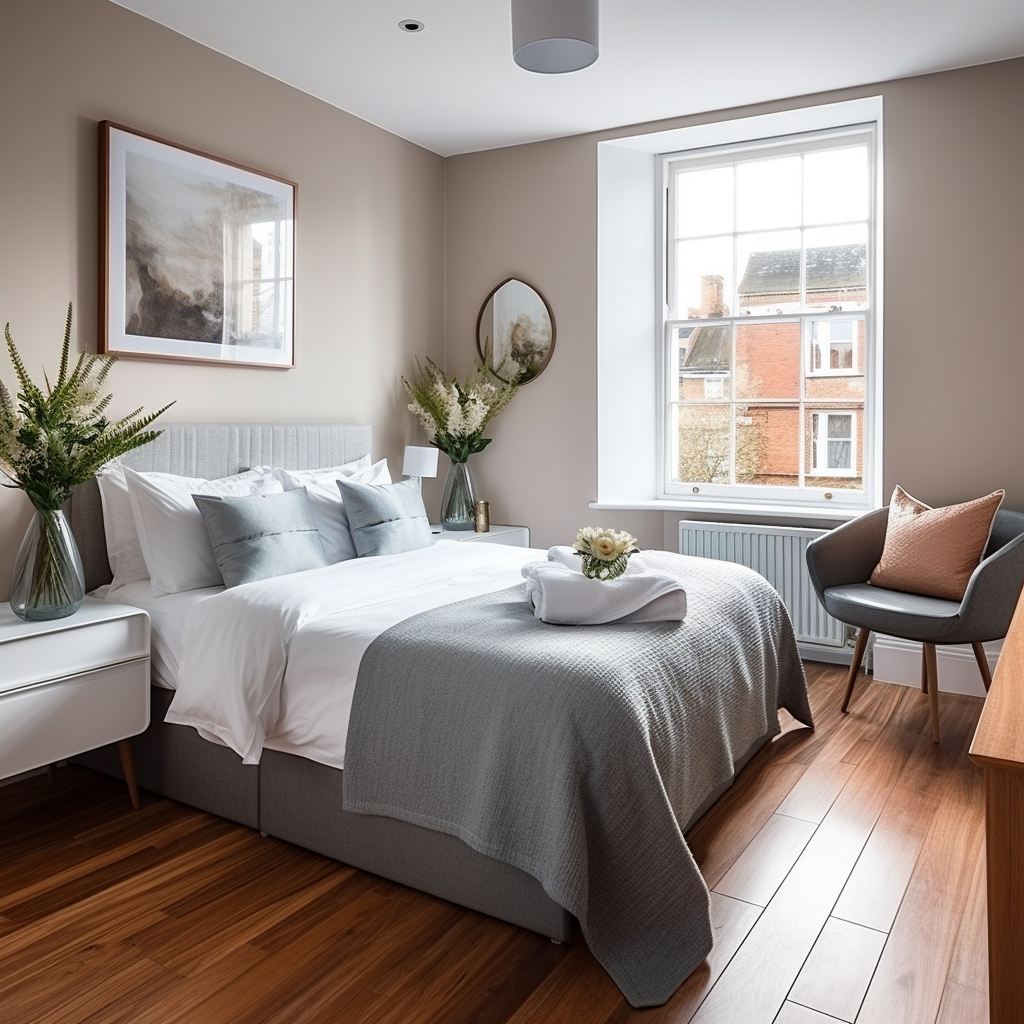
Before you start picking out paint color, it’s important to understand the basics of color psychology. Color can have a profound effect on our emotions, mood, and behavior. For example, blue is known for its calming effect, while red can evoke feelings of passion and energy. Understanding color psychology can help you choose a color that not only looks great but also complements the mood and atmosphere you want to create in your home.
Consider the Lighting in Your Space
Lighting can greatly impact the way a colour looks in your space. Natural light, artificial light, and even the time of day can all affect the way a color appears. For example, a color that looks bright and cheerful in the morning may appear dull and lifeless in the evening. It’s important to test your paint colors in different lighting conditions to ensure that you are happy with the way they look throughout the day.
Understanding Color Schemes
When choosing a color scheme for your home, it’s important to consider the relationships between colors. There are several different color schemes you can use, such as complementary, analogous, and monochromatic. Complementary colors are opposite each other on the color wheel and create a bold, high-contrast look. Analogous colors are next to each other on the color wheel and create a more subtle, harmonious look. Monochromatic color schemes use different shades of the same color and create a soothing, unified look.
Testing Your Colors
Before you commit to a paint color, it’s important to test it out in your space. Many paint companies offer sample sizes of their paints, which you can use to test the color in different lighting conditions. You can also paint a small section of your wall to see how the color looks in your space. This can help you avoid any surprises and ensure that you are happy with the final result.
Considering the Mood and Atmosphere
The color you choose can also impact the mood and atmosphere in your home. For example, cool colors like blue and green can create a calming, relaxing atmosphere, while warm colors like red and orange can create a more energetic, lively atmosphere. It’s important to consider the function of the room and the mood you want to create when choosing a color.
Using Accent Colors
Accent colors can add depth and interest to your space. These are colors that are used sparingly to create a pop of color or highlight a specific area of the room. For example, you might use an accent color on a feature wall, a piece of furniture, or an accessory. When choosing an accent color, consider using a color that is already present in the room or a complementary color to create a cohesive look.
Considering Your Furniture and Decor
When choosing a paint color, it’s important to consider the furniture and decor in your space. You want to choose a color that complements your existing pieces and creates a cohesive look. If you have a lot of bold or patterned furniture, you may want to choose a more neutral color for your walls. On the other hand, if you have more neutral furniture, you can be more daring with your wall color.
Choosing the Right Finish
The finish you choose can also have a big impact on the final result. Different finishes, such as matte, satin, and gloss, can create different effects and textures on your walls. Matte finishes are great for hiding imperfections, while gloss finishes can create a dramatic effect. It’s important to choose a finish that not only looks great but also fits the function of the room.